

Filter By Category
Archives
Share on -


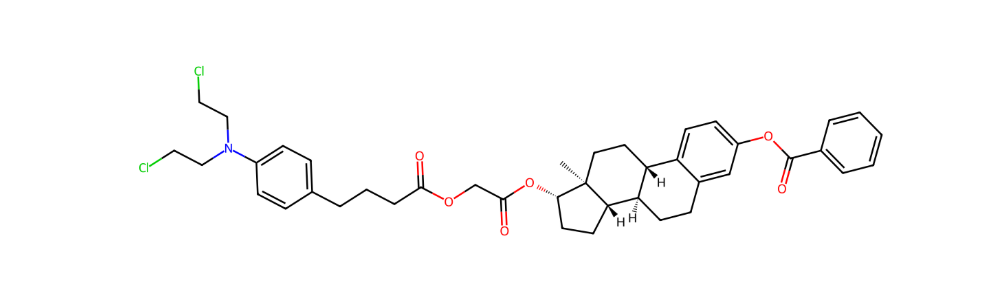
ATRIMUSTINE
Generic Name: ATRIMUSTINE
ABSTRACT -
Atrimustine, also known as bestrabucil or busramustine, is an estradiol-chlorambucil conjugate antineoplastic agent. It combines an estrogenic targeting concept with a nitrogen-mustard alkylating component and has been investigated in cancer settings. It has molecular formula C41H47Cl2NO6.
This document is for structured API information only. It is not a prescribing guide. Clinical use, if any, must follow the approved local label, trial protocol, and specialist medical supervision.
DOSAGE -
- Dosage should be determined only by a qualified oncology specialist.
- No routine approved dosing regimen is established for general current use.
- Administration should follow oncology protocol requirements for cytotoxic agents.
- Do not use outside supervised cancer care.
SIDE EFFECTS-
Possible side effects and safety concerns include:
- Nausea, vomiting, diarrhea, mucositis, or appetite loss
- Myelosuppression including neutropenia, anemia, or thrombocytopenia
- Fatigue, weakness, infection risk, or bleeding tendency
- Estrogenic effects such as fluid retention or breast tenderness may occur
- Serious allergic reactions are possible.
ALLERGIC REACTIONS -
Hypersensitivity to Atrimustine or related compounds/products may occur. Symptoms may include:
- Immediate urticaria or generalized rash
- Facial, lip, tongue, or throat swelling
- Wheezing or breathing difficulty
- Dizziness, collapse, or anaphylaxis
Important: Patients who develop an allergic reaction to Atrimustine should seek immediate medical attention and inform all future healthcare providers of the allergy.
DRUG INTERACTIONS-
Atrimustine may interact with certain medicines, protocols, vaccines, clinical conditions, or procedures. Caution is needed with:
- Other cytotoxic chemotherapy or radiation can increase myelosuppression.
- Anticoagulants or antiplatelet agents may increase bleeding risk when platelets are low.
- Hormonal therapies may alter estrogen-related risk assessment.
- Live vaccines should be avoided during significant immunosuppression.
Patients should inform healthcare providers about all prescription medicines, over-the-counter medicines, herbal products, vaccines, and supplements they are using.
PREAUTIONS–
- Monitor complete blood counts, liver function, renal function, and infection signs.
- Assess thromboembolic risk and estrogen-sensitive conditions.
- Use contraception; alkylating agents may cause fetal harm.
- Use handling precautions appropriate for cytotoxic drugs.
WARNINGS –
- Cytotoxic alkylating agent: severe myelosuppression and infection can occur.
- May cause fetal harm and fertility effects.
- Fever, bleeding, severe diarrhea, or shortness of breath requires urgent care.
- Keep out of reach of children.
Share on -


 . Developed by