

Filter By Category
Archives
Share on -


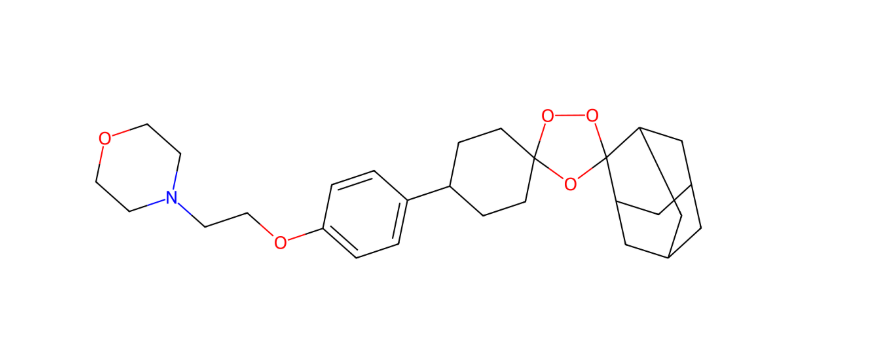
ARTEFENOMEL
Generic Name: ARTEFENOMEL
ABSTRACT -
Artefenomel, also known as OZ439, is a synthetic ozonide antimalarial designed to retain the peroxide pharmacophore of artemisinin-class drugs while improving pharmacokinetic properties. It has been investigated for malaria treatment, commonly in combination regimens to reduce resistance and provide parasite clearance.
DOSAGE -
- No universally approved routine dosage is established.
- Clinical-trial dosing has been protocol-defined and often combined with partner antimalarials such as ferroquine or other long-acting agents.
- Dose selection must consider malaria species, geography, resistance patterns, body weight, pregnancy status, and QT-risk partner drugs.
- Do not use as monotherapy for malaria outside a protocol.
SIDE EFFECTS–
- Nausea, vomiting, abdominal pain, diarrhea, headache, or dizziness
- Transient fever, fatigue, or malaise related to malaria or treatment
- Liver enzyme changes or hematologic abnormalities may occur
- QT prolongation risk depends partly on partner medicines
- Rash or hypersensitivity reactions
ALLERGIC REACTIONS -
- Allergy may present with rash, hives, facial swelling, wheezing, severe dizziness, or anaphylaxis.
- Severe rash or systemic symptoms require urgent medical care.
DRUG INTERACTIONS-
- Other antimalarials, QT-prolonging medicines, CYP-metabolized drugs, antiarrhythmics, macrolides, fluoroquinolones, and azole antifungals may require review.
- Avoid unapproved combinations that may promote resistance or toxicity.
- Partner-drug interactions drive much of the regimen risk.
PREAUTIONS–
- Confirm malaria diagnosis and species where possible.
- Assess pregnancy, breastfeeding, age/weight, hepatic function, cardiac history, baseline ECG/QT risk, and prior antimalarial exposure.
- Monitor parasitemia response and recurrence in trial/public-health settings.
- Use combination therapy according to protocol to reduce resistance.
WARNINGS –
- Malaria can be fatal; treatment should not be delayed for investigational therapy unless protocol-approved.
- Monotherapy may contribute to resistance and treatment failure.
- Serious cardiac, allergic, or neurologic symptoms require urgent care.
- Keep out of reach of children.
Share on -


 . Developed by