

Filter By Category
Archives
Share on -


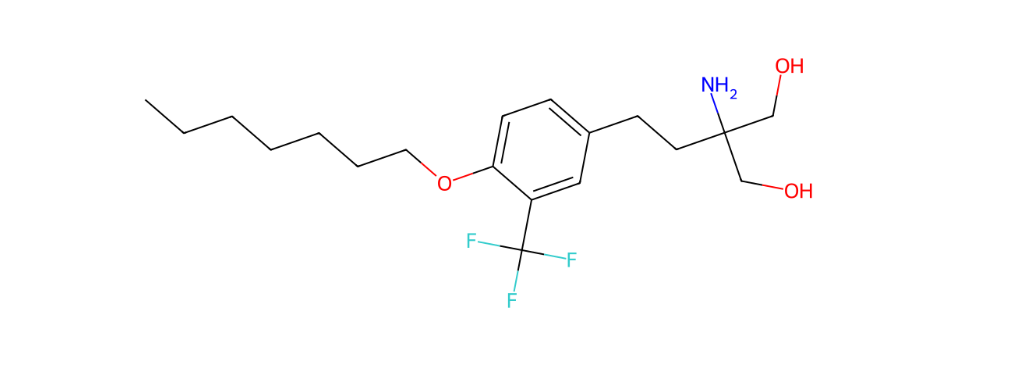
AMISELIMOD
Generic Name: AMISELIMOD
ABSTRACT -
Amiselimod, also known as MT-1303, is an investigational oral sphingosine-1-phosphate receptor modulator. It is a prodrug whose phosphorylated metabolite functionally antagonizes lymphocyte S1P1 receptor signaling, sequestering lymphocytes in lymphoid tissue and reducing inflammatory cell trafficking. It has been studied in autoimmune diseases including ulcerative colitis and Crohn disease.
DOSAGE -
Dosage should be determined only by a qualified healthcare professional.
No marketed approved dosage is available.
In a phase 2 ulcerative-colitis trial, investigated regimens included loading doses of 0.4 mg or 0.8 mg once daily for 2 weeks followed by maintenance doses of 0.2 mg or 0.4 mg once daily.
Use only under a clinical trial or approved research protocol.
SIDE EFFECTS–
Possible side effects may include:
- Reduced lymphocyte counts and infection susceptibility
- Headache, fatigue, or dizziness
- Gastrointestinal symptoms
- Potential liver enzyme abnormalities
- Possible macular edema or visual symptoms as a class concern
- Bradycardia or conduction effects, although amiselimod was designed for lower bradycardia risk than some S1P modulators
ALLRGIC REACTIONS–
Hypersensitivity to amiselimod or formulation excipients may occur. Symptoms may include:
- Rash or urticaria
- Pruritus
- Facial swelling
- Breathing difficulty
- Severe allergic reaction symptoms
Important: Patients who develop an allergic reaction to Amiselimod should seek immediate medical attention and inform all future healthcare providers of the allergy.
DRUG INTERACTIONS–
Amiselimod may interact with certain medicines or substances. Caution is needed with:
- Immunosuppressants or biologics may increase infection risk.
- Antiarrhythmics, beta-blockers, or heart-rate-lowering drugs may require caution with S1P modulator class effects.
- Live vaccines may be less safe or less effective during immunomodulation.
- CYP or transporter interactions should be assessed by protocol.
Patients should inform healthcare providers about all prescription medicines, over-the-counter medicines, herbal products, and supplements they are using.
PREAUTIONS–
- Screen for infection risk, cardiac history, eye disease, and liver disease before use in trials.
- Monitor lymphocyte counts, liver tests, blood pressure, and cardiac symptoms according to protocol.
- Avoid live vaccines during and shortly after treatment unless specialist guidance supports use.
- Pregnancy and lactation safety are not established.
WARNINGS –
- Amiselimod is investigational and not approved for general clinical use.
- Serious infection risk is possible with lymphocyte-trafficking modulation.
- New visual symptoms, severe infection, or cardiac symptoms require urgent evaluation.
- Keep out of reach of children.
Share on -


 . Developed by