

Filter By Category
Archives
Share on -


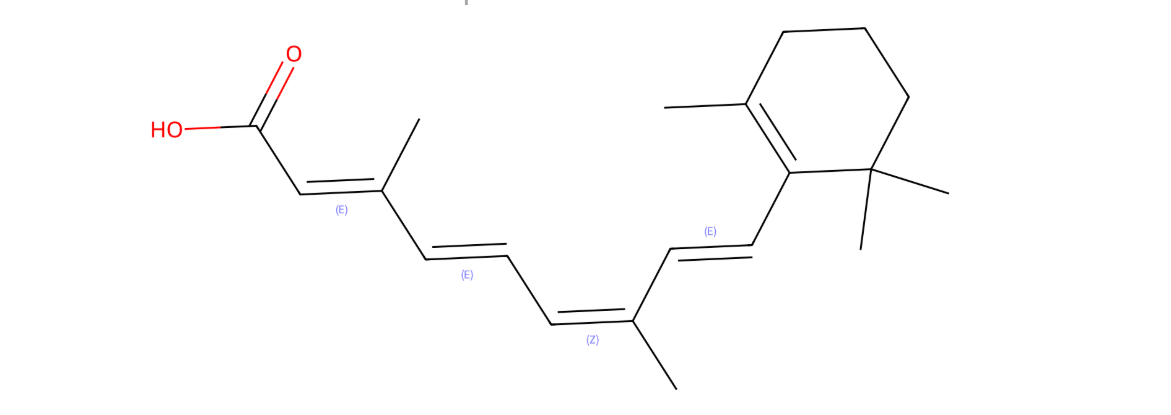
ALITRETINOIN
Generic Name: ALITRETINOIN
ABSTRACT -
Alitretinoin is a retinoid also known as 9-cis-retinoic acid. Topical alitretinoin gel has been used for AIDS-related cutaneous Kaposi sarcoma lesions, and oral formulations have been used in some regions for severe chronic hand eczema. Retinoids regulate gene transcription through retinoic acid receptors and retinoid X receptors. Use should follow the approved local label and specialist direction.
DOSAGE -
- For topical Kaposi sarcoma lesions, alitretinoin gel is commonly applied initially twice daily to affected lesions only.
- Application frequency may be increased gradually to three or four times daily as tolerated and as directed by the prescriber.
- Avoid applying to mucous membranes, eyes, or surrounding healthy skin unless directed.
- Oral alitretinoin dosing, where available, must follow the local product label because indications, pregnancy prevention rules, and monitoring requirements differ by region.
- Do not use during pregnancy, and follow all contraception requirements for retinoid therapy.
SIDE EFFECTS–
- Reported or potential side effects may include:
- Application-site redness, burning, stinging, or pain
- Itching
- Rash
- Skin peeling or exfoliation
- Dry skin
- Swelling or irritation around treated lesions
- Photosensitivity
- Headache or systemic retinoid effects with oral therapy
- Increased lipids or liver enzymes with oral therapy
- Allergic or hypersensitivity reactions
ALLRGIC REACTIONS–
(These symptoms may indicate an allergic reaction to the drug.)
- Skin rash
- Itching
- Hives
- Swelling of face, lips, tongue, or throat
- Difficulty breathing
- Wheezing
- Severe dizziness
- Rapid heartbeat
- Chest tightness
- Anaphylaxis
- Severe hypersensitivity reactions
DRUG INTERACTIONS–
- The interaction profile may include or require caution with:
- Vitamin A supplements or other retinoids
- Tetracycline antibiotics because of intracranial-hypertension risk with systemic retinoids
- Photosensitizing medicines or excessive ultraviolet exposure
- Methotrexate or other hepatotoxic medicines when oral retinoids are used
- Strong CYP3A4 inhibitors or inducers when oral therapy is used
- Topical irritants, keratolytics, or medicated skin products applied to the same area
- Patients should inform healthcare providers about all prescription medicines, non-prescription medicines, herbal products, and supplements being used.
PREAUTIONS–
- Use only on prescribed lesions or according to the approved indication.
- Avoid sunlamps, tanning beds, and excessive sunlight; use protective measures when needed.
- Monitor skin tolerance and reduce frequency or interrupt treatment if severe local irritation occurs.
- For oral therapy, monitor pregnancy status, lipids, liver function, and other label-required parameters.
- Pregnancy and breastfeeding require strict avoidance or specialist risk assessment because retinoids can harm a fetus.
WARNINGS –
- Alitretinoin and other retinoids can cause embryo-fetal harm and must not be used during pregnancy.
- Severe skin reaction, blistering, intense swelling, or signs of infection require medical evaluation.
- Do not apply topical alitretinoin near eyes, mouth, mucous membranes, or unaffected skin unless directed.
- Systemic retinoids require strict contraception, laboratory monitoring, and avoidance of blood donation where applicable.
- Keep out of reach of children.
Share on -


 . Developed by