

Filter By Category
Archives
Share on -


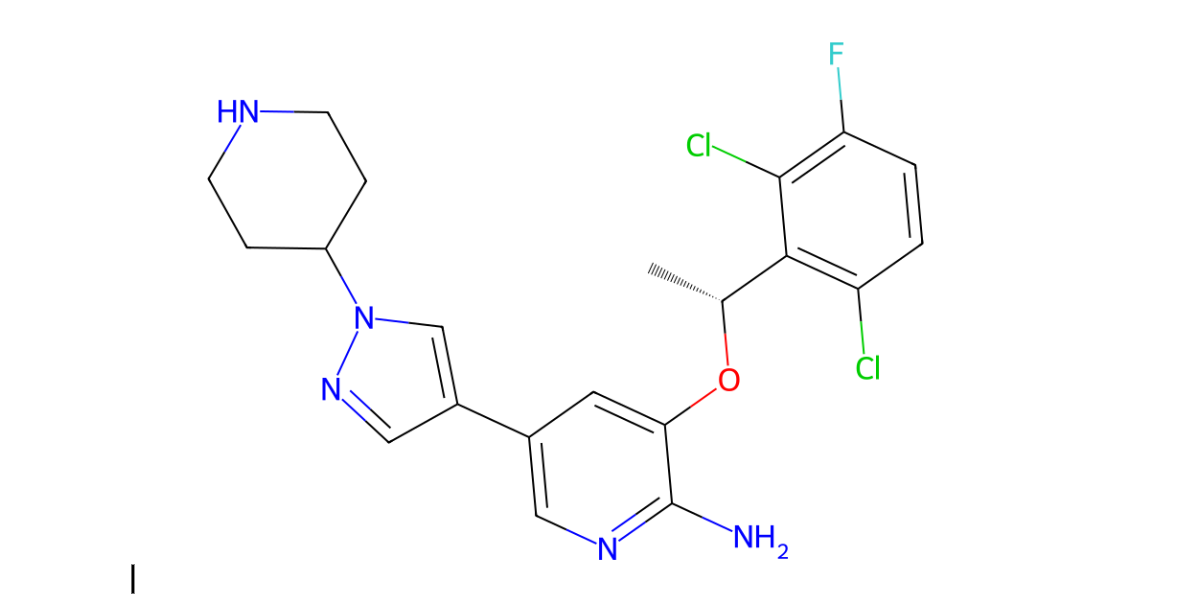
CRIZOTINIB
Generic Name: CRIZOTINIB
ABSTRACT -
Crizotinib is an oral kinase inhibitor targeting ALK, ROS1, and MET pathways, used for selected ALK- or ROS1-positive non-small cell lung cancer and selected ALK-positive anaplastic large cell lymphoma or inflammatory myofibroblastic tumor indications according to product labeling.
DOSAGE -
Adults with labeled NSCLC or IMT indications: 250 mg orally twice daily with or without food. Pediatric patients and young adults with labeled ALCL/IMT indications: 280 mg/m2 orally twice daily. Modify dose for toxicity, hepatic impairment, severe renal impairment, and unavoidable strong CYP3A inhibitors according to label tables.
SIDE EEFECTS -
Common adverse reactions include vision disorders, nausea, diarrhea, vomiting, edema, constipation, elevated transaminases, fatigue, decreased appetite, upper respiratory infection, dizziness, neuropathy, and rash. Serious risks include hepatotoxicity, interstitial lung disease/pneumonitis, QT prolongation, bradycardia, severe visual loss, and gastrointestinal perforation.
ALLERGIC REACTIONS -
Hypersensitivity is possible but not the main labeled toxicity. Stop and evaluate for rash with systemic symptoms, angioedema, respiratory compromise, or anaphylaxis.
DRUG INTERACTIONS-
- Avoid strong CYP3A inhibitors and grapefruit/grapefruit juice when possible.
- reduce crizotinib dose if unavoidable. Avoid strong CYP3A inducers because they can reduce efficacy. Crizotinib can increase concentrations of CYP3A substrates, especially narrow-therapeutic-index drugs. Avoid drugs that prolong QT or cause bradycardia unless necessary.
PREAUTONS–
Monitor liver tests, ECG/electrolytes in at-risk patients, heart rate/blood pressure, pulmonary symptoms, visual symptoms, renal function, and gastrointestinal symptoms. Use effective contraception and avoid pregnancy/lactation according to labeling.
WARNINGS –
Potentially fatal hepatotoxicity, ILD/pneumonitis, QT prolongation, bradycardia, severe vision loss, and embryo-fetal toxicity require careful monitoring.
Share on -


 . Developed by