

Filter By Category
Archives
Share on -


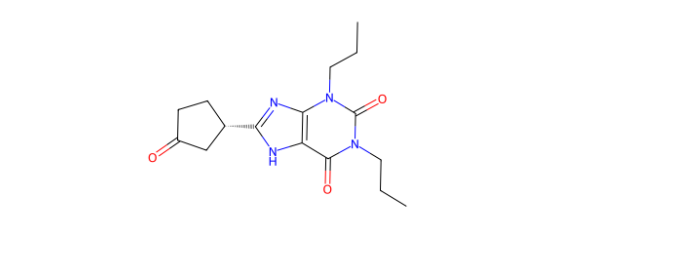
APAXIFYLLINE
Generic Name: APAXIFYLLINE
ABSTRACT -
Apaxifylline is a xanthine-related adenosine A1 receptor antagonist investigated for neuroprotective and cognitive indications.
It has been studied in conditions such as dementia or cerebral ischemia models but is not an approved routine medicine.
Its pharmacology overlaps with purinergic signaling and CNS arousal pathways.
DOSAGE -
- Dosage should be determined only by a qualified healthcare professional.
- No approved standard dosing regimen is established for this API.
- Doses, route, premedication, monitoring, and dose modifications must follow the applicable clinical-trial or specialist protocol.
- Do not use outside an approved study, compassionate-use program, or authorized regulatory setting.
SIDE EFFECTS–
- Possible side effects may include:
- Insomnia
- Nervousness
- Headache
- Nausea
- Palpitations
- Dizziness
- Tremor
- Gastrointestinal discomfort
ALLERGIC REACTIONS -
- Hypersensitivity to the active compound or excipients is possible.
- Symptoms may include skin rash, urticaria, pruritus, facial swelling, wheezing, dizziness, or anaphylaxis.
- Patients with a suspected allergic reaction should stop treatment and seek urgent medical attention.
DRUG INTERACTIONS–
- Caffeine, theophylline, and other methylxanthines may increase stimulant-type adverse effects.
- Adenosine or adenosine-regulating agents may have opposing effects.
- Caution with arrhythmogenic drugs or CNS stimulants.
PREAUTIONS–
- Use caution in seizure disorders, arrhythmias, severe anxiety, and uncontrolled hypertension.
- Avoid excessive caffeine.
- Monitor sleep, heart rate, and neurologic symptoms.
- Pregnancy and lactation safety are not established.
WARNINGS –
- Not approved for routine use.
- CNS stimulation and cardiovascular effects may occur.
- Use only in controlled research settings.
Share on -


 . Developed by