

Filter By Category
Archives
Share on -


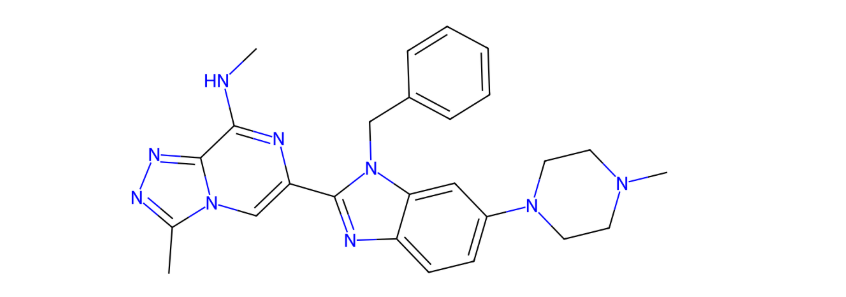
AMREDOBRESIB
Generic Name: AMREDOBRESIB
ABSTRACT -
Amredobresib, also known as BI 894999, is an orally bioavailable inhibitor of bromodomain and extra-terminal (BET) family proteins including BRD2, BRD3, BRD4, and BRDT. By preventing BET protein interaction with acetylated histones, it can alter oncogenic transcriptional programmes and is being investigated as an antineoplastic agent.
DOSAGE -
Dosage should be determined only by a qualified oncology professional.
Amredobresib is investigational and should be used only under an authorised clinical-trial protocol.
Dosing depends on tumour type, study phase, treatment cycle, organ function, and toxicity.
Monitor blood counts, liver function, gastrointestinal tolerance, and protocol-defined safety markers.
SIDE EFFECTS–
- Possible side effects include:
- Fatigue
- Nausea
- Vomiting
- Diarrhoea
- Reduced appetite
- Thrombocytopenia
- Neutropenia
- Anaemia
- Liver enzyme abnormalities
- Infection risk
- Mucositis or rash may occur with targeted oncology therapy.
ALLRGIC REACTIONS–
- Hypersensitivity to amredobresib or excipients may occur.
- Symptoms may include rash, urticaria, swelling, fever, bronchospasm, or anaphylaxis.
- Important: Patients should report allergic symptoms immediately to the oncology team.
DRUG INTERACTIONS–
- Use caution with strong CYP3A inhibitors or inducers unless the protocol allows.
- Other myelosuppressive anticancer agents may increase cytopenia risk.
- Anticoagulants and antiplatelet medicines require caution if thrombocytopenia occurs.
- Patients should avoid unapproved herbal supplements that affect metabolism.
PREAUTIONS–
- Baseline and periodic complete blood count and liver-function tests are required.
- Use caution in active infection, severe hepatic impairment, bleeding risk, or poor marrow reserve.
- Pregnancy must be avoided because antineoplastic agents may harm the fetus.
- Use only under oncology supervision.
WARNINGS –
- Amredobresib is investigational and not approved for general clinical use.
- Severe cytopenias, infection, bleeding, or organ toxicity may occur.
- Do not use outside a clinical trial or authorised access programme.
- Keep out of reach of children.
Share on -


 . Developed by