

Filter By Category
Archives
Share on -


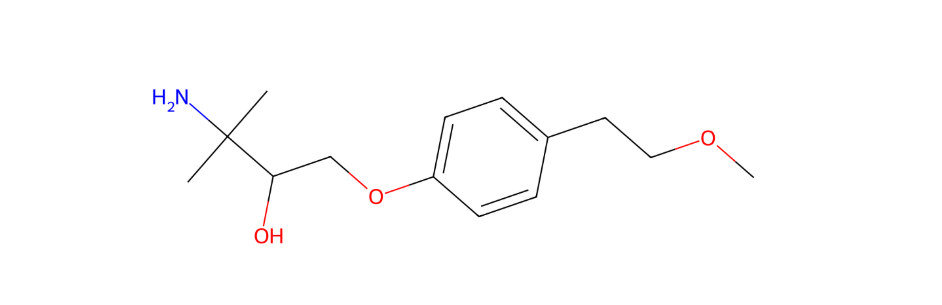
ARNOLOL
Generic Name: ARNOLOL
ABSTRACT -
Arnolol is a beta-blocker type compound described as a pressure-lowering adrenergic antagonist. Publicly available modern clinical labeling is limited compared with widely marketed beta-blockers. It should be considered a specialist or region-specific agent unless a local approved label is available.
DOSAGE -
- No universally established approved dosage could be confirmed from major current labels.
- Any use should follow the country-specific product label and physician judgment.
- Dosing should be individualized according to blood pressure, heart rate, arrhythmia/angina status, renal/hepatic function, and tolerability.
- Do not stop beta-blocker therapy abruptly unless medically directed.
SIDE EFFECTS–
- Bradycardia, hypotension, dizziness, fatigue, or cold extremities
- Sleep disturbance, depression, or reduced exercise tolerance
- Bronchospasm in asthma/COPD-prone patients
- Nausea, diarrhea, or abdominal discomfort
- Masking of hypoglycemia symptoms in diabetes
- Rash or hypersensitivity reactions
ALLERGIC REACTIONS -
- Allergy may present with rash, urticaria, facial swelling, wheezing, or anaphylaxis.
- Severe reactions require discontinuation and urgent care.
DRUG INTERACTIONS–
- Other beta-blockers, calcium-channel blockers such as verapamil/diltiazem, digoxin, amiodarone, and antiarrhythmics can increase bradycardia or AV block.
- Antihypertensives, alcohol, anesthetics, and alpha blockers can increase hypotension.
- Insulin and sulfonylureas may have masked hypoglycemia warning symptoms.
- NSAIDs may reduce antihypertensive effect.
PREAUTIONS–
- Assess asthma/COPD, heart block, bradycardia, decompensated heart failure, peripheral vascular disease, diabetes, thyroid disease, and pregnancy status.
- Monitor pulse, blood pressure, ECG when indicated, respiratory symptoms, and glucose in diabetes.
- Taper gradually when discontinuing chronic therapy.
- Use cautiously in older adults and patients with conduction disease.
WARNINGS –
- Contraindications may include severe bradycardia, cardiogenic shock, uncontrolled heart failure, and high-grade AV block unless paced.
- Abrupt withdrawal may worsen angina or precipitate cardiac events.
- Seek urgent care for syncope, severe shortness of breath, or chest pain.
- Keep out of reach of children.
Share on -


 . Developed by