

Filter By Category
Archives
Share on -


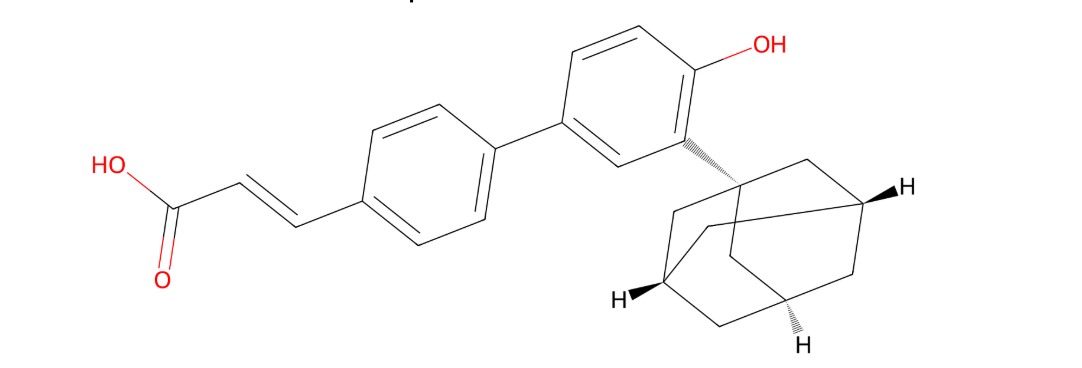
ADAROTENE
Generic Name: ADAROTENE
ABSTRACT -
Adarotene, also known as ST1926, is an investigational atypical retinoid with pro-apoptotic and cytodifferentiating antitumor activity. Unlike classic retinoids, it has been studied for DNA-damage and apoptosis-inducing effects in cancer models, including hematologic and solid tumor research. It is not a routine approved treatment and should be used only in research or specialist-supervised settings.
DOSAGE -
An approved, universally established dosage regimen is not available for this investigational or limited-use substance.
- Administration, dose level, schedule, and treatment duration should follow the applicable oncology research or clinical-trial protocol.
- Dose escalation, dose interruption, and discontinuation should be determined only by the investigator or treating specialist.
- Do not use for self-medication or outside an approved protocol, prescription, or specialist-supervised setting.
- Monitoring should include clinical assessment and laboratory testing appropriate to the drug class and patient condition.
SIDE EFFECTS -
Reported or potential side effects may include:
- Dry skin or mucous membranes
- Rash
- Itching
- Headache
- Nausea
- Vomiting
- Diarrhea
- Fatigue
- Photosensitivity
- Liver enzyme elevation
- Lipid abnormalities
- Bone or muscle pain
- Mood changes
- Teratogenic risk typical of retinoid-class medicines
- Allergic or hypersensitivity reactions
ALLRGIC REACTIONS–
(These symptoms may indicate an allergic reaction to the drug.)
- Skin rash
- Itching
- Hives
- Swelling of face, lips, tongue, or throat
- Difficulty breathing
- Wheezing
- Severe dizziness
- Rapid heartbeat
- Chest tightness
- Anaphylaxis
- Severe hypersensitivity reactions
DRUG INTERACTIONS–
The full drug-interaction profile has not been completely established. Use caution with:
- Vitamin A supplements or other retinoids
- Tetracyclines or medicines associated with intracranial hypertension
- Hepatotoxic medicines or alcohol
- Medicines affecting lipid levels
- Strong metabolic enzyme inhibitors or inducers if exposure data become available
- Other investigational medicines or therapies used in the same protocol
- Medicines that increase the risk of overlapping organ toxicity
- Immunosuppressive, anticancer, antiviral, cardiovascular, or neurologic medicines when clinically relevant
- Herbal products and supplements with uncertain pharmacologic effects
PREAUTIONS–
- Avoid pregnancy exposure; retinoid-class agents can be highly teratogenic.
- Monitor liver function, lipid profile, skin/mucosal toxicity, mood symptoms, and musculoskeletal symptoms as directed.
- Use sun protection if photosensitivity occurs.
- Use only in settings where qualified healthcare professionals can assess eligibility, monitor response, and manage adverse reactions.
- Review baseline medical history, organ function, concomitant medicines, pregnancy status, and allergy history before use.
- Monitor clinical symptoms and laboratory values as directed by the clinical protocol or treating specialist.
- Use caution in patients with severe hepatic, renal, cardiovascular, infectious, immune, or neurologic disease unless specifically allowed by protocol.
- Use during pregnancy or breastfeeding only if the potential benefit justifies the potential risk and as directed by a physician.
- Safety and effectiveness in pediatric patients may not be established unless specifically studied.
WARNINGS –
- Retinoid-class drugs may cause severe birth defects and should not be used during pregnancy unless specifically justified under strict specialist control.
- Severe headache, vision changes, jaundice, severe rash, depression symptoms, or severe abdominal pain requires prompt evaluation.
- This medicine is investigational or has limited publicly established clinical-use information; safety, efficacy, optimal dose, and routine clinical role may not be fully established.
- It should not be used for self-medication or substituted for an approved therapy unless directed by a qualified specialist or clinical-trial investigator.
- Treatment should be discontinued and urgent medical care sought if severe allergic reaction, severe adverse reaction, or clinical deterioration is suspected.
- Use only under medical supervision in an appropriate specialist or clinical-trial setting.
- Keep out of reach of children.
- In case of overdose or severe adverse reaction, seek immediate emergency medical attention.
Share on -


 . Developed by