

Filter By Category
Archives
Share on -


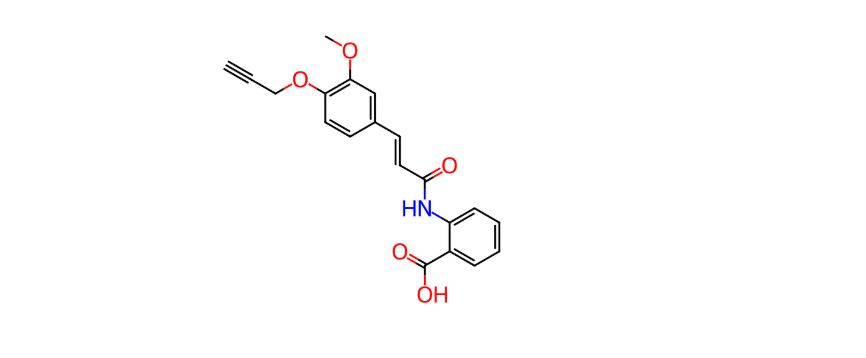
ASENGEPRAST
Generic Name: ASENGEPRAST
ABSTRACT -
Asengeprast, also known as FT011, is an investigational small-molecule candidate associated with antifibrotic and anti-inflammatory effects. It has been described as a G protein-coupled receptor 68 (GPR68) antagonist and has been evaluated in fibrotic diseases such as systemic sclerosis and chronic kidney disease. It is not approved for routine clinical use.
DOSAGE -
No approved dose is established. Clinical-trial dosing is oral and protocol-defined. Renal function, hepatic function, symptoms, and study endpoints guide dose continuation or modification.
SIDE EFFECTS–
- Possible or reported side effects may include:
- Headache
- Nausea or gastrointestinal discomfort
- Dizziness
- Fatigue
- Skin rash
- Laboratory changes in renal or hepatic markers
- Potential edema or blood-pressure changes
- Unknown long-term safety
ALLERGIC REACTIONS -
Potential hypersensitivity may include rash, itching, hives, swelling, wheeze, or anaphylaxis.
DRUG INTERACTIONS-
- Use caution with:
- Other investigational antifibrotic medicines
- Immunosuppressants used for systemic sclerosis
- Medicines affecting kidney function
- CYP-metabolized drugs if specified by protocol
- Patients should inform healthcare providers about all prescription medicines, over-the-counter medicines, herbal products, and supplements they are using.
PREAUTIONS–
- Assess baseline renal function, hepatic function, fibrosis severity, blood pressure, pregnancy status, and concomitant medicines.
- Use only in study or specialist settings.
- Monitor for worsening kidney disease or systemic sclerosis complications.
WARNINGS –
- Efficacy and long-term safety are not established.
- Do not use outside a qualified clinical program.
- Keep out of reach of children.
- In case of overdose, severe reaction, or clinical deterioration, seek immediate medical attention.
Share on -


 . Developed by