

Filter By Category
Archives
Share on -


ADECATUMUMAB
Generic Name: ADECATUMUMAB
ABSTRACT -
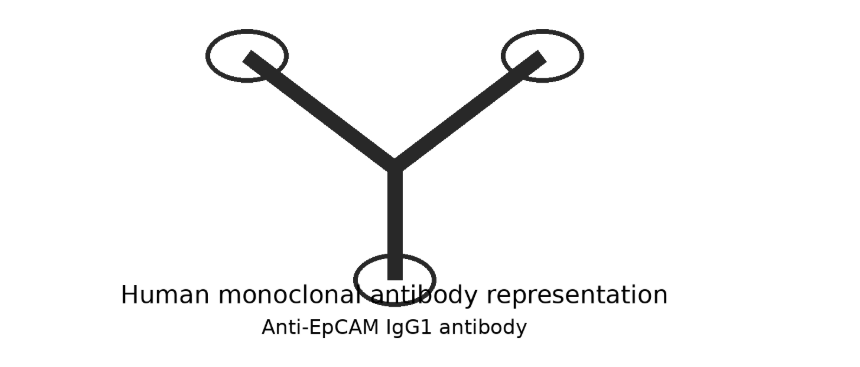
Adecatumumab, also known as MT201, is an investigational fully human IgG1 monoclonal antibody that targets epithelial cell adhesion molecule (EpCAM/CD326). EpCAM is expressed on many epithelial tumors and may contribute to tumor proliferation, migration, and invasion. Adecatumumab has been investigated in metastatic breast cancer and other adenocarcinoma settings but is not a routine approved therapy.
DOSAGE -
Adecatumumab is investigational and has no universally established approved dosage regimen.
- It has been administered by intravenous infusion in oncology clinical studies using protocol-defined dose levels and schedules.
- Dose, infusion rate, premedication, monitoring, and treatment duration must follow the clinical-trial protocol.
- Dose interruption or discontinuation may be required for infusion reactions, severe hypersensitivity, or other significant toxicity.
- It should be used only in a clinical-trial or specialist oncology setting.
SIDE EFFECTS–
Reported or potential side effects may include:
- Infusion-related reaction
- Fever
- Chills
- Fatigue
- Nausea
- Vomiting
- Diarrhea
- Headache
- Rash or pruritus
- Abdominal discomfort
- Laboratory abnormalities
- Infection risk with combination therapy
- Anemia or other blood count changes
- Allergic or hypersensitivity reactions
ALLRGIC REACTIONS–
(These symptoms may indicate an allergic reaction to the drug.)
- Skin rash
- Itching
- Hives
- Swelling of face, lips, tongue, or throat
- Difficulty breathing
- Wheezing
- Severe dizziness
- Rapid heartbeat
- Chest tightness
- Anaphylaxis
- Severe hypersensitivity reactions
DRUG INTERACTIONS–
The full drug-interaction profile has not been completely established. Use caution with:
- Chemotherapy or other biologic anticancer medicines with overlapping toxicity
- Immunosuppressants that may alter antibody response
- Live vaccines during immune-modulating therapy
- Medicines increasing bleeding or infection risk when used with cancer regimens
- Other investigational medicines or therapies used in the same protocol
- Medicines that increase the risk of overlapping organ toxicity
- Immunosuppressive, anticancer, antiviral, cardiovascular, or neurologic medicines when clinically relevant
- Herbal products and supplements with uncertain pharmacologic effects
PREAUTIONS–
- Confirm EpCAM-expressing disease context and protocol eligibility before treatment.
- Monitor during and after infusion for hypersensitivity, fever, chills, hypotension, or breathing difficulty.
- Assess baseline performance status, organ function, infection risk, and prior therapy.
- Use only in settings where qualified healthcare professionals can assess eligibility, monitor response, and manage adverse reactions.
- Review baseline medical history, organ function, concomitant medicines, pregnancy status, and allergy history before use.
- Monitor clinical symptoms and laboratory values as directed by the clinical protocol or treating specialist.
- Use caution in patients with severe hepatic, renal, cardiovascular, infectious, immune, or neurologic disease unless specifically allowed by protocol.
- Use during pregnancy or breastfeeding only if the potential benefit justifies the potential risk and as directed by a physician.
- Safety and effectiveness in pediatric patients may not be established unless specifically studied.
WARNINGS –
- Infusion reactions and severe hypersensitivity may occur with monoclonal antibody therapy.
- Serious infection, severe allergic reaction, or significant clinical deterioration requires prompt medical evaluation.
- This medicine is investigational or has limited publicly established clinical-use information; safety, efficacy, optimal dose, and routine clinical role may not be fully established.
- It should not be used for self-medication or substituted for an approved therapy unless directed by a qualified specialist or clinical-trial investigator.
- Treatment should be discontinued and urgent medical care sought if severe allergic reaction, severe adverse reaction, or clinical deterioration is suspected.
- Use only under medical supervision in an appropriate specialist or clinical-trial setting.
- Keep out of reach of children.
- In case of overdose or severe adverse reaction, seek immediate emergency medical attention.
Share on -


 . Developed by