

Filter By Category
Archives
Share on -


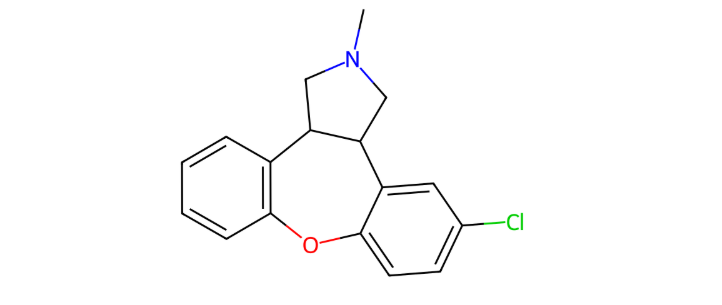
ASENAPINE
Generic Name: ASENAPINE
ABSTRACT -
Asenapine is an atypical antipsychotic available as sublingual and transdermal formulations in approved markets. It acts through serotonergic and dopaminergic receptor antagonism and is used for schizophrenia and bipolar I disorder indications according to local labeling. Its use requires monitoring for sedation, extrapyramidal symptoms, metabolic effects, orthostatic hypotension, QT risk, and serious hypersensitivity reactions.
DOSAGE -
Dosage should be determined only by a qualified healthcare professional. Sublingual tablets must dissolve under the tongue and should not be chewed, crushed, or swallowed whole; eating or drinking is avoided for a label-specified interval after dosing. Transdermal patch use, when prescribed, requires rotation of application sites and monitoring for application-site reactions. Dose depends on indication, age, formulation, tolerability, and concomitant medicines.
SIDE EFFECTS–
- Possible or reported side effects may include:
- Somnolence or sedation
- Akathisia or extrapyramidal symptoms
- Oral hypoesthesia with sublingual tablets
- Weight gain or metabolic changes
- Dizziness or orthostatic hypotension
- Nausea
- Insomnia or anxiety
- QT prolongation risk
- Neuroleptic malignant syndrome or tardive dyskinesia in rare cases
ALLERGIC REACTIONS -
Serious hypersensitivity reactions, including angioedema and anaphylaxis, have been reported with asenapine.
Symptoms include swelling of tongue or throat, difficulty breathing, rash, hives, or severe dizziness.
DRUG INTERACTIONS-
- Use caution with:
- Alcohol and CNS depressants
- Antihypertensives due to hypotension risk
- QT-prolonging medicines
- Dopamine agonists and levodopa
- CYP1A2 inhibitors such as fluvoxamine may affect exposure
- Patients should inform healthcare providers about all prescription medicines, over-the-counter medicines, herbal products, and supplements they are using.
PREAUTIONS–
- Assess psychiatric diagnosis, suicidality, metabolic risk, cardiovascular history, movement-disorder history, and pregnancy status.
- Monitor weight, glucose, lipids, blood pressure, EPS, sedation, and adherence.
- Use caution in elderly patients with dementia-related psychosis.
WARNINGS –
- Antipsychotics increase mortality in elderly patients with dementia-related psychosis.
- Seek urgent care for severe allergic reaction, high fever with rigidity, fainting, or severe movement symptoms.
- Keep out of reach of children.
- In case of overdose, severe reaction, or clinical deterioration, seek immediate medical attention.
Share on -


 . Developed by