

Filter By Category
Archives
Share on -


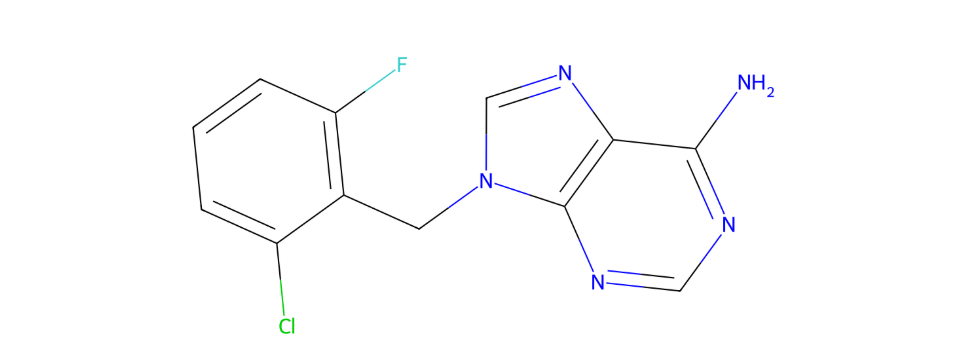
ARPRINOCID
Generic Name: ARPRINOCID
ABSTRACT -
Arprinocid is a veterinary anticoccidial compound studied and used for control of Eimeria infections in poultry. It is not a human therapeutic medicine. Its pharmacology and risk management are specific to veterinary feed-medication programs, withdrawal periods, and food-animal regulations.
DOSAGE -
- Dosage must be determined by a veterinarian and the approved animal-product label.
- Historical studies used feed-medicated regimens such as parts-per-million concentrations, but label directions and local regulations govern any use.
- Do not administer to humans.
- Observe all withdrawal periods and residue-control rules for food-producing animals.
SIDE EFFECTS–
- In target animals, potential effects include reduced feed intake, poor weight gain, intolerance, or nonspecific illness if overdosed
- Resistance or treatment failure may occur in coccidia populations
- Environmental and feed-handling exposure may irritate skin, eyes, or respiratory tract
- Human accidental exposure may cause unknown toxicity and requires poison-control advice
ALLERGIC REACTIONS -
- Handlers can develop skin, eye, or respiratory irritation or hypersensitivity.
- Animal hypersensitivity is possible but not well characterized.
- Use protective equipment and veterinary guidance.
DRUG INTERACTIONS-
- Do not mix with other anticoccidials, ionophores, antibiotics, or feed additives unless the label permits.
- Drug-feed interactions and incompatibilities can alter safety or efficacy.
- Concurrent disease, poor nutrition, or other medications may affect outcome.
PREAUTIONS–
- Confirm target species, age, flock condition, coccidiosis diagnosis, feed consumption, and withdrawal requirements.
- Use only regulated veterinary products.
- Avoid contamination of human food, water, and non-target animal feed.
- Monitor flock response and consult a veterinarian for mortality, diarrhea, or poor weight gain.
WARNINGS –
- Not for human use.
- Incorrect use in food-producing animals can cause illegal residues and public-health risk.
- Follow veterinary and regulatory directions exactly.
- Keep out of reach of children and non-target animals.
Share on -


 . Developed by