

Filter By Category
Archives
Share on -


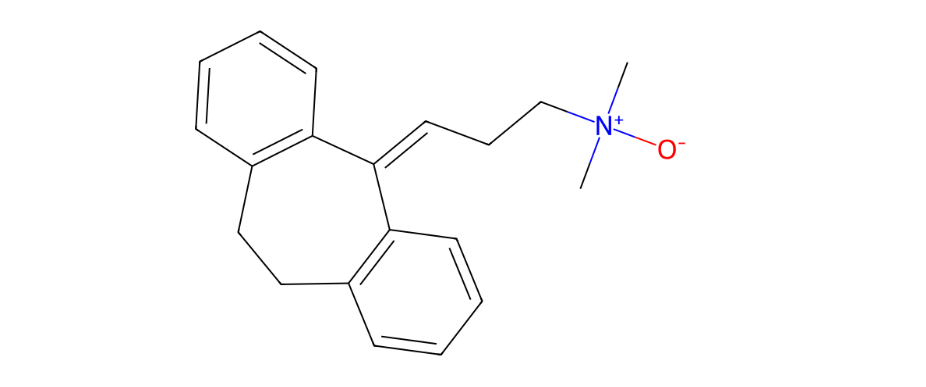
AMITRIPTYLINOXIDE
Generic Name: AMITRIPTYLINOXIDE
ABSTRACT -
Amitriptylinoxide, also called amitriptyline N-oxide, is a tricyclic antidepressant related to amitriptyline. It has been used in some countries for depressive disorders and acts through tricyclic monoamine-reuptake and receptor-binding pharmacology, with metabolism to amitriptyline and nortriptyline contributing to effects. Its availability and approved labeling vary by region.
DOSAGE -
Dosage should be determined only by a qualified healthcare professional.
Where marketed, oral dosing must follow the local product label and patient-specific risk assessment.
Start low and titrate carefully in older adults, cardiac disease, hepatic impairment, or patients sensitive to anticholinergic effects.
Do not stop abruptly unless directed; tapering may be required.
SIDE EFFECTS–
Possible side effects may include:
- Dry mouth, constipation, blurred vision, urinary retention, or sweating
- Sedation, dizziness, fatigue, or impaired concentration
- Orthostatic hypotension and tachycardia
- Weight gain or appetite changes
- QT prolongation, conduction disturbance, or arrhythmia risk
- Mood switching, suicidal ideation, or worsening depression in susceptible patients
ALLRGIC REACTIONS–
Hypersensitivity to amitriptylinoxide, amitriptyline, or related tricyclic antidepressants may occur. Symptoms may include:
- Skin rash
- Urticaria
- Facial swelling
- Wheezing or breathing difficulty
- Severe hypersensitivity symptoms
Important: Patients who develop an allergic reaction to Amitriptylinoxide should seek immediate medical attention and inform all future healthcare providers of the allergy.
DRUG INTERACTIONS–
Amitriptylinoxide may interact with certain medicines or substances. Caution is needed with:
- MAO inhibitors are contraindicated or require a washout because of serious toxicity risk.
- SSRIs, SNRIs, other TCAs, and CYP2D6 inhibitors can increase tricyclic exposure or serotonergic effects.
- Alcohol, opioids, benzodiazepines, and sedatives can increase CNS depression.
- QT-prolonging drugs and antiarrhythmics may increase arrhythmia risk.
- Anticholinergic medicines can increase dry mouth, constipation, urinary retention, and confusion.
Patients should inform healthcare providers about all prescription medicines, over-the-counter medicines, herbal products, and supplements they are using.
PREAUTIONS–
- Assess cardiac history, glaucoma, urinary retention, seizure risk, bipolar disorder, and suicide risk.
- Consider ECG monitoring in patients with cardiac risk or overdose risk.
- Use caution in elderly patients due to falls, confusion, and anticholinergic burden.
- Pregnancy and lactation require specialist risk-benefit assessment.
WARNINGS –
- Tricyclic antidepressant overdose can be fatal; dispense and store carefully.
- May impair driving or operating machinery.
- Monitor for worsening depression, suicidality, mania, or serotonin toxicity.
- Keep out of reach of children.
Share on -


 . Developed by