

Filter By Category
Archives
Share on -


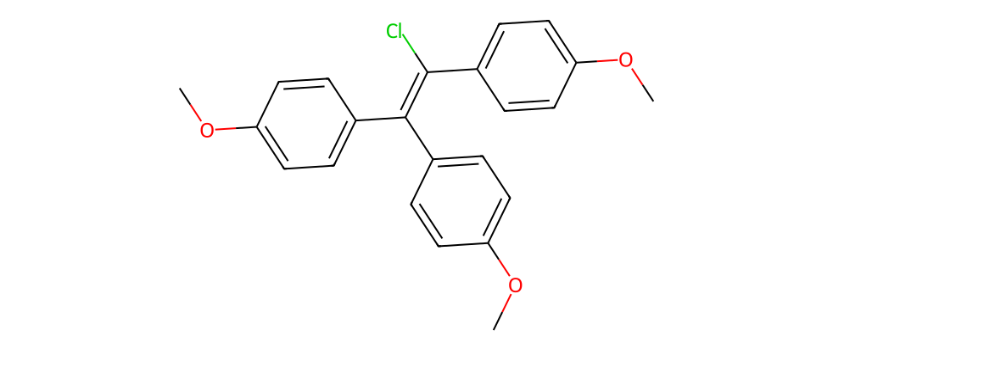
CHLOROTRIANISENE
Generic Name: CHLOROTRIANISENE
ABSTRACT -
Chlorotrianisene is a non-steroidal, long-acting synthetic oestrogen formerly used for postpartum breast engorgement suppression, menopausal symptoms, and prostate cancer palliation. It is a prodrug that is stored in fat tissue and slowly releases active oestrogenic metabolites. Due to concerns over venous thromboembolism, cardiovascular risk, and the availability of safer alternatives, it is no longer commercially available in most countries.
DOSAGE -
Historically: 12–25 mg orally 2–4 times daily for menopausal symptoms; 12 mg four times daily for 7 days for postpartum breast engorgement. No longer in clinical use in most markets.
SIDE EEFECTS -
- Nausea and vomiting
- Fluid retention and oedema
- Breast tenderness
- Venous thromboembolism
- Headache
ALLERGIC REACTIONS -
These symptoms may indicate an allergic reaction and require immediate medical attention.
- Skin rash
- Urticaria
- Drug hypersensitivity
- Angioedema
DRUG INTERACTIONS-
- Anticoagulants (warfarin) — oestrogens may reduce anticoagulant effect; monitor INR
- CYP3A4 inducers (rifampicin) — reduce oestrogenic exposure
- Thyroid replacement therapy — oestrogens increase thyroid-binding globulin; adjust levothyroxine dose
PREAUTONS–
- Contraindicated in active or history of venous thromboembolism, breast cancer, or oestrogen-dependent neoplasms
- Avoid in pregnancy — foetal feminisation of male
- No longer available in most countries — historical pharmacological reference
- Long tissue storage — slow offset of action after discontinuation
WARNINGS –
- VTE risk including pulmonary embolism — same class risk as other oestrogens
- Cardiovascular risk in older women or those with risk factors
- Oestrogen-dependent cancers — contraindicated in active breast or endometrial cancer
Share on -


 . Developed by