

Filter By Category
Archives
Share on -


ACIMTAMIG
Generic Name: ACIMTAMIG
ABSTRACT -
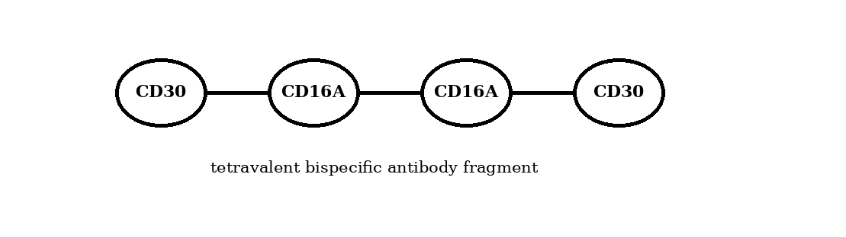
Acimtamig, also known as AFM13, is an investigational tetravalent bispecific innate cell engager directed against CD30 on tumor cells and CD16A on natural killer cells and macrophages. By cross-linking CD30-positive malignant cells with innate immune effector cells, acimtamig is designed to promote targeted cytotoxicity. It has been studied in relapsed or refractory CD30-positive lymphomas, including Hodgkin lymphoma and peripheral T-cell lymphoma. Acimtamig is not established as a routine approved treatment for general clinical use.
DOSAGE -
Acimtamig is an investigational oncology biologic and should only be administered under an approved clinical trial protocol or by qualified oncology specialists.
- Studied by intravenous administration in clinical research settings.
- Dose and schedule vary by protocol, disease setting, and whether used alone or with NK-cell-based therapy.
- Premedication and infusion monitoring may be required to reduce infusion-related reactions.
- No standard commercial dose has been established for routine medical use.
- Dose delay, interruption, or discontinuation may be required for clinically significant toxicity.
- Participants should follow protocol-specific laboratory testing, imaging, and follow-up instructions.
SIDE EFFECTS –
Reported or potential side effects may include:
- Infusion-related reactions
- Fever or chills
- Fatigue
- Headache
- Nausea or vomiting
- Rash or itching
- Low blood cell counts
- Infections
- Liver enzyme abnormalities
- Cough or shortness of breath
- Tumor-related symptoms or inflammatory reactions
- Electrolyte or laboratory abnormalities
ALLRGIC REACTIONS–
(These symptoms may indicate an allergic reaction to the medicine.)
- Skin rash
- Itching
- Hives
- Swelling of the face, lips, tongue, or throat
- Difficulty breathing or wheezing
- Chest tightness
- Severe dizziness or fainting
- Rapid heartbeat
- Anaphylaxis or severe hypersensitivity reaction
DRUG INTERACTIONS–
Formal interaction data are limited because acimtamig remains investigational. Caution should be exercised when used with:
- Other anticancer therapies with overlapping marrow, immune, liver, or infection-related toxicity
- Immunosuppressive medicines or high-dose corticosteroids
- Cellular therapies, cytokines, or immune-stimulating products unless permitted by protocol
- Live or live-attenuated vaccines
- Other investigational medicines
- Medicines that increase bleeding or infection risk in patients with cytopenias
Patients should inform healthcare providers about all prescription medicines, non-prescription medicines, vitamins, herbal products, vaccines, and supplements being used.
PRECAUTIONS –
- Use only in specialist oncology or clinical trial settings.
- Assess CD30 status, disease burden, blood counts, organ function, infection status, and performance status before treatment.
- Monitor during and after infusion for hypersensitivity, fever, respiratory symptoms, and hemodynamic changes.
- Use caution in patients with active infection, severe cytopenias, organ dysfunction, or prior severe infusion reactions.
- Pregnancy and breastfeeding safety have not been established; effective contraception may be required.
- Patients should report fever, chills, breathing difficulty, rash, unusual bleeding, or rapidly worsening symptoms immediately.
WARNINGS –
- Acimtamig is investigational and has not been established for routine general medical use.
- Serious infusion reactions, infections, cytopenias, or immune-mediated complications may occur.
- Use with cellular therapies or combination regimens requires specialized monitoring.
- Clinical use should be supervised by trained oncology professionals with access to emergency care.
- Keep out of reach of children.
- In case of severe reaction, difficulty breathing, fainting, or suspected overdose, seek immediate medical attention.
- Patients should report unusual symptoms or side effects to their healthcare provider or clinical investigator promptly.
Share on -


 . Developed by