

Filter By Category
Archives
Share on -


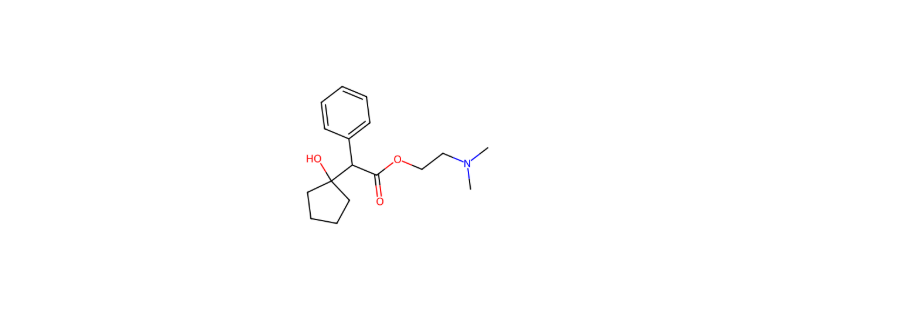
CYCLOPENTOLATE
Generic Name: CYCLOPENTOLATE
ABSTRACT -
Cyclopentolate is an antimuscarinic ophthalmic agent used to produce mydriasis and cycloplegia, typically before eye examination or refraction testing. It temporarily blocks muscarinic receptors in the eye, dilating the pupil and reducing accommodation.
DOSAGE -
Ophthalmic use only. A clinician commonly instills 1 or 2 drops of 0.5%, 1%, or 2% solution depending on age, pigmentation, and procedure; repeat dosing and pediatric use must follow the product label and clinician instructions.
SIDE EEFECTS -
- Temporary stinging, burning, eye irritation, redness, or tearing
- Blurred vision, photophobia, and difficulty focusing until effects wear off
- Increased intraocular pressure in susceptible patients
- Dry mouth, flushing, fast heartbeat, restlessness, or confusion from systemic absorption
- Rare conjunctivitis, keratitis, or eyelid inflammation
ALLERGIC REACTIONS -
(These symptoms may indicate an allergic reaction and require medical attention.)
- Eye or eyelid swelling, severe redness, rash, or hives
- Itching that worsens after use
- Facial, lip, tongue, or throat swelling
- Wheezing, chest tightness, or difficulty breathing
DRUG INTERACTIONS-
- Other anticholinergic medicines can increase dry mouth, tachycardia, urinary retention, or confusion
- Antihistamines, tricyclic antidepressants, phenothiazines, and some antiparkinsonian drugs may intensify antimuscarinic effects
- Miotic glaucoma medicines may have reduced effect during cycloplegia
- Systemic absorption can be reduced by punctal occlusion after instillation
PREAUTONS–
- Screen for narrow-angle glaucoma or elevated intraocular pressure risk
- Use extra caution in infants, young children, older adults, Down syndrome, and neurologic impairment
- Avoid driving and bright light exposure until vision returns to normal
- Remove contact lenses if directed by the product label or clinician
- Tell the clinician about pregnancy, breastfeeding, and all anticholinergic medicines
WARNINGS –
- For topical ophthalmic use only; not for injection or ingestion
- Severe CNS toxicity, behavioral disturbance, hyperthermia, or seizures can occur, especially in children or overdose
- Seek urgent care for eye pain, sudden vision changes, severe headache, or signs of angle-closure glaucoma
- Store safely to prevent accidental ingestion by children
Share on -


 . Developed by