

Filter By Category
Archives
Share on -


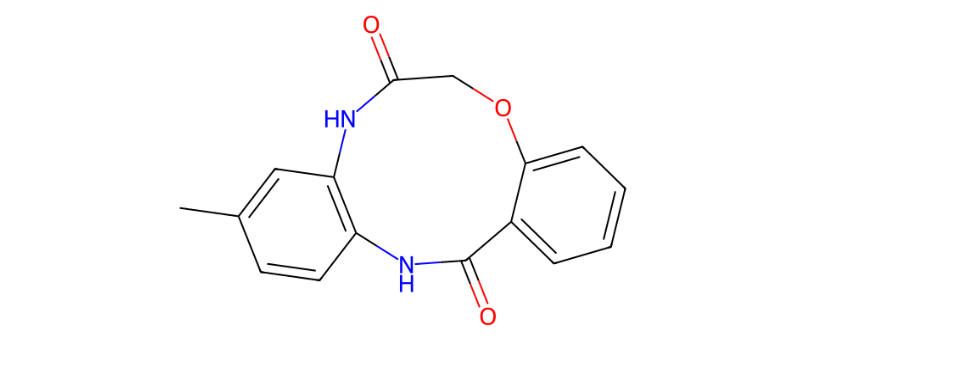
CEVIPABULIN
Generic Name: CEVIPABULIN
ABSTRACT -
Cevipabulin (TTI-237) is an investigational tubulin-binding vascular disrupting agent (VDA) with dual anti-mitotic and anti-vascular mechanisms. It binds to the colchicine site of tubulin, destabilising microtubules, inducing tumour cell apoptosis, and selectively disrupting established tumour vasculature, leading to tumour ischaemia. Phase I/II trials evaluated it in refractory solid tumours including breast, lung, and ovarian cancers.
DOSAGE -
Intravenous infusion; dose and schedule determined in Phase I dose-escalation studies; weekly dosing regimens were investigated.
SIDE EEFECTS -
- Peripheral neuropathy
- Fatigue
- Nausea and vomiting
- Neutropenia
- Hypertension (vascular disruption-related)
ALLERGIC REACTIONS -
These symptoms may indicate an allergic reaction and require immediate medical attention.
- Infusion-related reactions
- Skin rash
- Urticaria
- Anaphylaxis (rare)
DRUG INTERACTIONS-
- Avoid other neurotoxic agents — additive peripheral neuropathy
- Antihypertensives: blood pressure fluctuations require management
- CYP3A4 interactions possible — profile under investigation
PREAUTONS–
- Neurological assessment before each cycle — peripheral neuropathy is dose-limiting
- Blood pressure monitoring during and after infusion
- Effective contraception required
- Not studied in severe hepatic impairment
WARNINGS –
- Vascular disrupting agents can cause tumour haemorrhage — avoid anticoagulants at peak effect
- Peripheral neuropathy may be cumulative — dose reduce or discontinue if Grade ≥2
- Embryo-foetal toxicity — contraindicated in pregnancy
Share on -


 . Developed by