

Filter By Category
Archives
Share on -


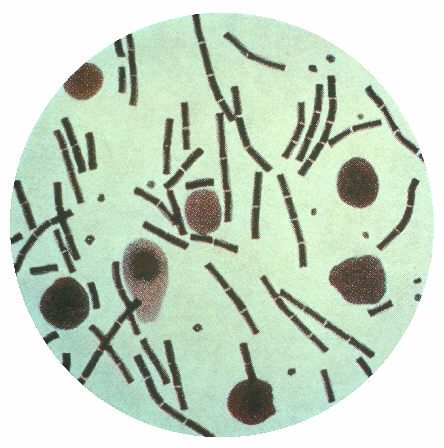
ANTHRAX
ABSTRACT -
Anthrax i.e. Bacillus anthracis is the bacteria responsible for this type of skin infection. It is primarily a disease of herbivorous animals. Human can get infected with this serious illness through direct or indirect contact with sick animals. No evidence shows that it gets transmitted from person to person but skin lesions may be contagious through direct contact. This bacteria enters into the body through the skin wounds, eating contaminated meat or inhaling spores.
CAUSES –
- Anthrax bacteria develops in soil which affects wild or domestic livestock like sheep, horses and goats.
- Exposure with infected animals, their meat or hides.
- Skin lesions transmits the bacteria and infection from person to person.
SIGNS AND SYMPTOMS –
Signs and symptoms varies with the routes of infection-
- Cutaneous Anthrax – It enters into the body through cut or sore areas of skin:
- A raised itchy bump seems like insect bite which causes painless black centered sore
- Swelling of nearby lymph glands
- Gastrointestinal Anthrax - Due to undercooked infected meat:
- Nausea and vomiting
- Abdominal pain
- Loss of appetite
- Sore throat and swollen neck
- Fever
- Lose motions with blood
- Inhalation Anthrax – Due to inhalation of its spores.
- Mild fever and symptoms like flu
- Chest discomfort and shortness of breath
- Blood while coughing
- Meningitis
- Injection Anthrax – By injecting illegal drugs in the body
- Redness of area of injection
- Significant swelling
- Multiple organ failure
DIAGNOSIS –
-
- Skin testing –
-
- Blood tests
- Chest X-ray or CT scan to diagnose inhalation anthrax
- Stool testing to diagnose gastrointestinal anthrax
- Spinal tap –
TREATMENT –
- Course of prescribed antibiotics
- In the later stages, bacteria produces more toxins in the body which cannot be treated with medication and needs immediate hospitalization.
- Some cases are treated by using injections and surgery for removal of infected tissue.
PREVENTIONS –
- Its vaccine is intended only for military personnel, scientists who deals with anthrax and other personnel who are in high-risk professions like laboratory workers.
- Avoid contact with livestock animals and their skin.
- Don’t eat meat which is not cooked properly.
- Avoid consuming infected meat.
RISK FACTORS –
- People working with this disease in labs
- People in military and deployed areas
- Veterinarian
- Handling animal skins like fur or wool in high risk area of this disease.
- Injecting illegal drugs like heroin
EPIDEMIOLOGY –
It’s a rare infectious disease however the most common anthrax in humans is Cutaneous Anthrax.
Share on -


 . Developed by