

Filter By Category
Archives
Share on -


HYPERGLYCEMIA
ABSTRACT -
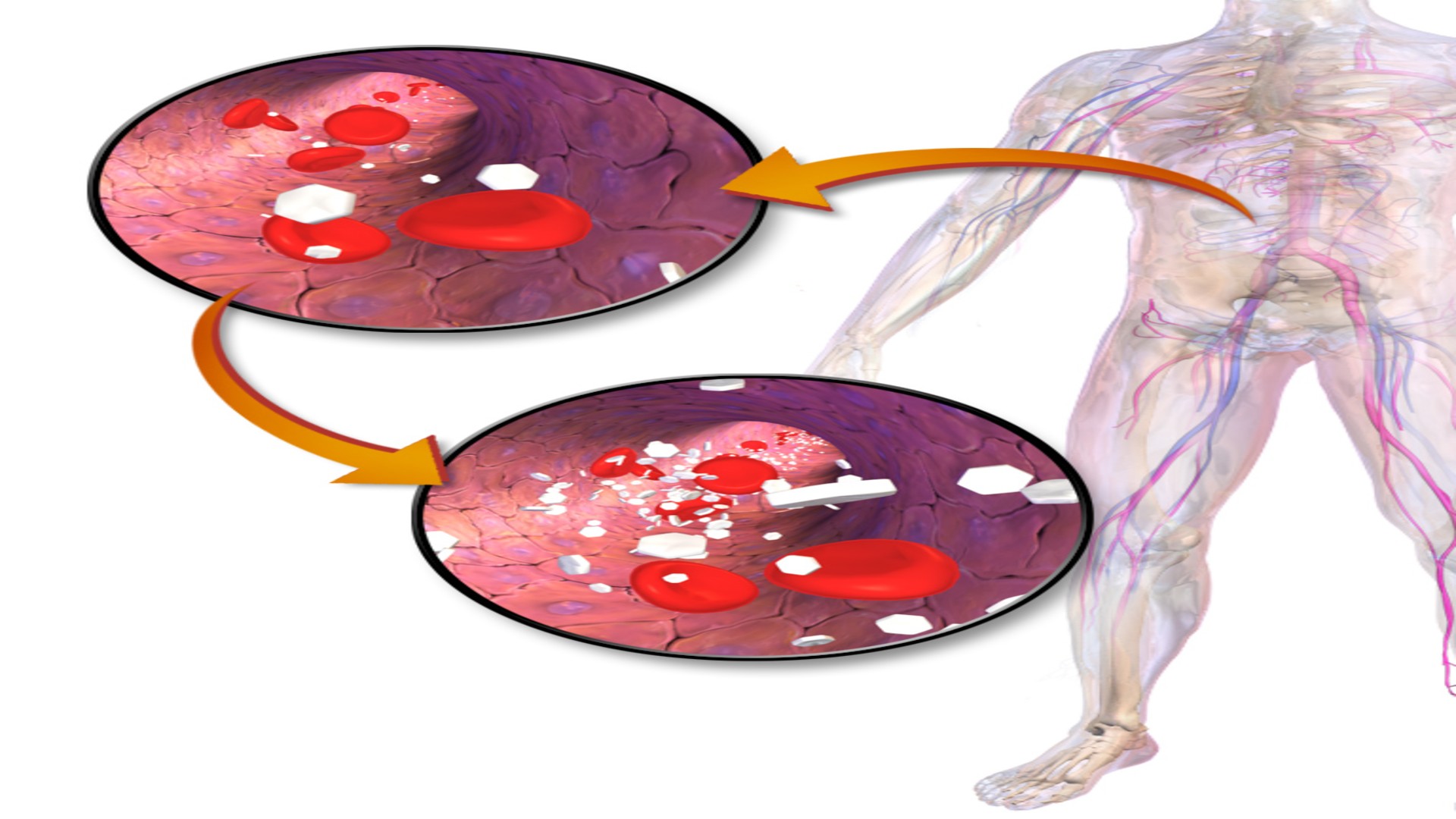
Hyperglycemia refers to high sugar or glucose level in the blood. It affects those who have diabetes, in which the body does not produce or use enough insulin to absorb sugar or glucose from the blood. Hyperglycemia can be one of the symptom of diabetes. It can lead to some complications such as Diabetic Ketoacidosis and Diabetic Coma, if left untreated.
CAUSES -
- Diabetes type1 and 2
- Overeating
- Lack of exercise
- Stress
- Dawn Phenomenon: Certain hormones results in releasing glucose from liver into the blood early in the morning. It is usually a result of eating sugary or carbohydrate rich food in night and then not taking medicines or insulin on time.
SIGNS AND SYMPTOMS –
- High blood sugar level for longer period
- Frequent urination
- Blurred vision
- High glucose level in the urine
- Dry mouth and increase in thirst
- Weakness
- Nausea or vomiting
- Breathlessness
COMPLICATIONS –
If it remains untreated for longer period, it can lead to following complications:
- Diabetic Coma
- Nerve damage
- Diabetic nephropathy
- Diabetic retinopathy
- Cataract
- Skin infections or ulcerations
- Bone and joint problems
- Teeth and gum problems
DIAGNOSIS –
- Routine blood sugar test
- Hemoglobin A1C test
TREATMENT –
- Medications
- Regular exercise
- Healthy diet
- Insulin supplementation
RISK FACTORS –
- Not taking insulin or diabetes medications properly
- Unhealthy diet or overeating
- Not exercising
- Steroids consumption
- Excessive stress
- Chances increases with increasing age
PREVENTIONS –
- Regular exercise is must
- Take medicines regularly as prescribed
- Control diet
- Monitor blood sugar level regularly
- Low sugary or carbohydrate diet
EPIDEMIOLOGY –
- 422 million people suffers from diabetes at global level annually which automatically increases the chances of getting affected from hyperglycemia.
- Risk of prevalence is more in elderly.
Share on -


 . Developed by