

Filter By Category
Archives
Share on -


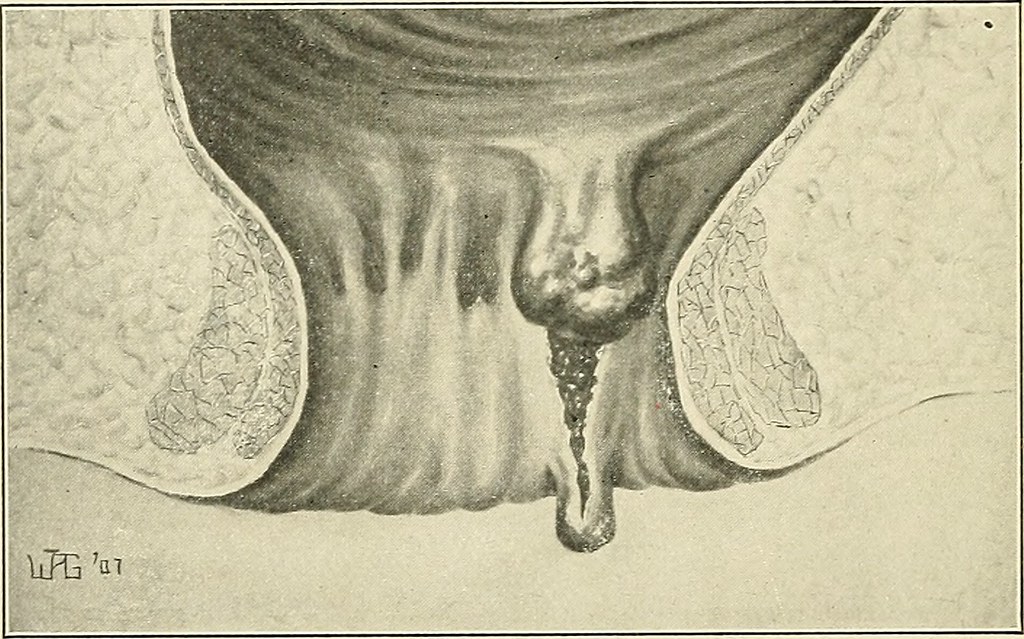
ANAL FISSURE
ABSTRACT -
Anal Fissure is a small tear or cut in the lining of the anal canal. It happens when hard stool passes during bowel movement which might cause pain and bleeding. At the end of the anus sphincter, it can cause spasm in the ring of muscle. The pain can be cured by increasing fiber intake and sitz bath.
CAUSES -
- Constipation causes lesion in the anal area
- Chronic diarrhea
- Anal intercourse
- Passing large or hard stools
- Childbirth
- Crohn's disease, ulcerative colitis, and other inflammatory bowel disease
- Anal cancer
- HIV
- Tuberculosis
- Syphilis
SIGNS AND SYMPTOMS -
- Severe pain during bowel movements which last upto several hours
- Blood can be noticed on the stool or toilet paper after defecation
- Tear or crack in the skin around the anus
- Small lump on the skin near the surface of anal fissure
DIAGNOSIS -
- Sigmoidoscopy and Colonoscopy – A flexible tube is inserted to inspect the inside of anus, rectum and the entire colon.
- Anoscopy – Inserting the tubular device into rectum and anus to visualize the affected area.
TREATMENT -
- Apply nitroglycerin externally, which increases the blood flow to the fissure and heal the affected area
- Topical anesthetic creams are applied on the skin which gives relief to the pain.
- Botulinum toxin type A (Botox) injection is used to paralyze the anal sphincter muscle and relax spasms.
- If the symptoms are severe, surgery is recommended. Lateral Internal Sphincterotomy (LIS) is performed, where a small portion of anal sphincter muscle is cut to reduce the spasm and pain.
PREVENTION -
- Maintaining soft stools
- Don't hold or control the motion
- Change the diapers frequently in babies to reduce the risk of anal fissures
- Avoid sharp foods that are difficult to digest well
- Avoid rough or perfumed toilet paper
- If there is constipation, it can be reduced by exercising regularly
- Don’t strain and sit for a long time on commode
EPIDEMIOLOGY -
- The estimation shows that the incidence is around 1 in 350 adults for anal fissures. It is equally common in both the genders however the adults between the ages of 15 to 40 are more likely to suffer from this disease.
- Individuals affected from obesity, constipation and hypothyroidism are more prone to get anal fissures.
Share on -


 . Developed by